

Session packs vs subscriptions: pricing for retention
Drop-ins, packs, and subscriptions each do something different to cash flow and retention. A plain framework for choosing, and when to move a family up.
Some of our centres
 Centre de Francisation et de Tutorat au Québec
 Coeur de Tuteur
 Lingua Franca Institute
 Mentors Éducation
 OnCourse Education
 Top Tutorat
 Tuteur Match
 Tutorat au Top

Most owners agonise over the number on the price list. The number matters, but the shape of the offer matters more. Same hourly rate, packaged three different ways, gives you three completely different businesses.
Here’s how the three shapes actually behave once real families are inside them.
The three models, side by side
| Model | What it does to cash flow | Retention pull | Use it for |
|---|---|---|---|
| Drop-in / hourly | Trickles in, impossible to forecast | Weak. Every session is a fresh yes | Trials and one-off exam cramming |
| Session pack (4, 8, 12) | Arrives up front, in useful chunks | Strong. A paid balance is a reason to show up | Your default offer |
| Subscription | Predictable and boring, in the best way | Strongest, but asks for trust first | Families who’ve already seen results |
Drop-in pricing feels flexible and generous. What it actually means is that you re-sell your business every single week, to people who like you. That’s a lot of auditioning for someone who already has the job.
Session packs are the workhorse for a reason. Money arrives sooner, and a parent with six sessions left on the books has a concrete reason to get their kid in the car on a Wednesday night. Sunk cost gets a bad reputation, but here it’s quietly working in the student’s favour.
Subscriptions are the strongest structure and the hardest sell cold. Nobody signs up for indefinite monthly billing based on a nice phone call. They sign up once they’ve watched a grade move.

A ladder, not a menu
Don’t present all three and hope. Meet families where they are, then move them up:
- A discounted trial to take the risk out of the first session.
- A session pack as the default, priced so the bigger pack is obviously the smarter buy.
- A subscription, offered when momentum is visible. A strong progress report or a jump from 68 to 81 is the moment. Not a random Tuesday in February.
That third step is where most tutoring businesses leave money on the table. The offer never gets made, because nobody owns making it.
The part that quietly kills packages
Manual credit tracking.
If someone on your team is counting remaining sessions in a spreadsheet, packages will slowly become everyone’s least favourite part of the job. Worse, you’ll eventually get one wrong in front of a parent, and “actually you have two left, not four” is a genuinely awful sentence to say to someone who trusts you with their kid’s education.

Credits should draw down automatically as sessions are marked complete, and families should be able to see their own balance without asking. That single change turns packages from an administrative liability into something you can sell confidently.
Price for value, not for elapsed time
An hour with a specialist prepping a student for a provincial exam is not the same product as an hour of homework supervision. Charging the same for both tells families they’re interchangeable, and then rewards them for choosing the cheaper one.
Tier by tutor level and program type, and say in plain words what each tier is for. Families are perfectly willing to pay more for the specialist. They just need to know the specialist exists.
The bottom line
Packs and subscriptions create commitment. Commitment creates attendance. Attendance creates results. Results are what justify the next package, and around it goes. Your pricing structure isn’t a spreadsheet exercise, it’s the thing keeping that wheel turning.
Start here: make packs your default, automate the credit draw-down, and put a named moment in your process for offering the subscription.
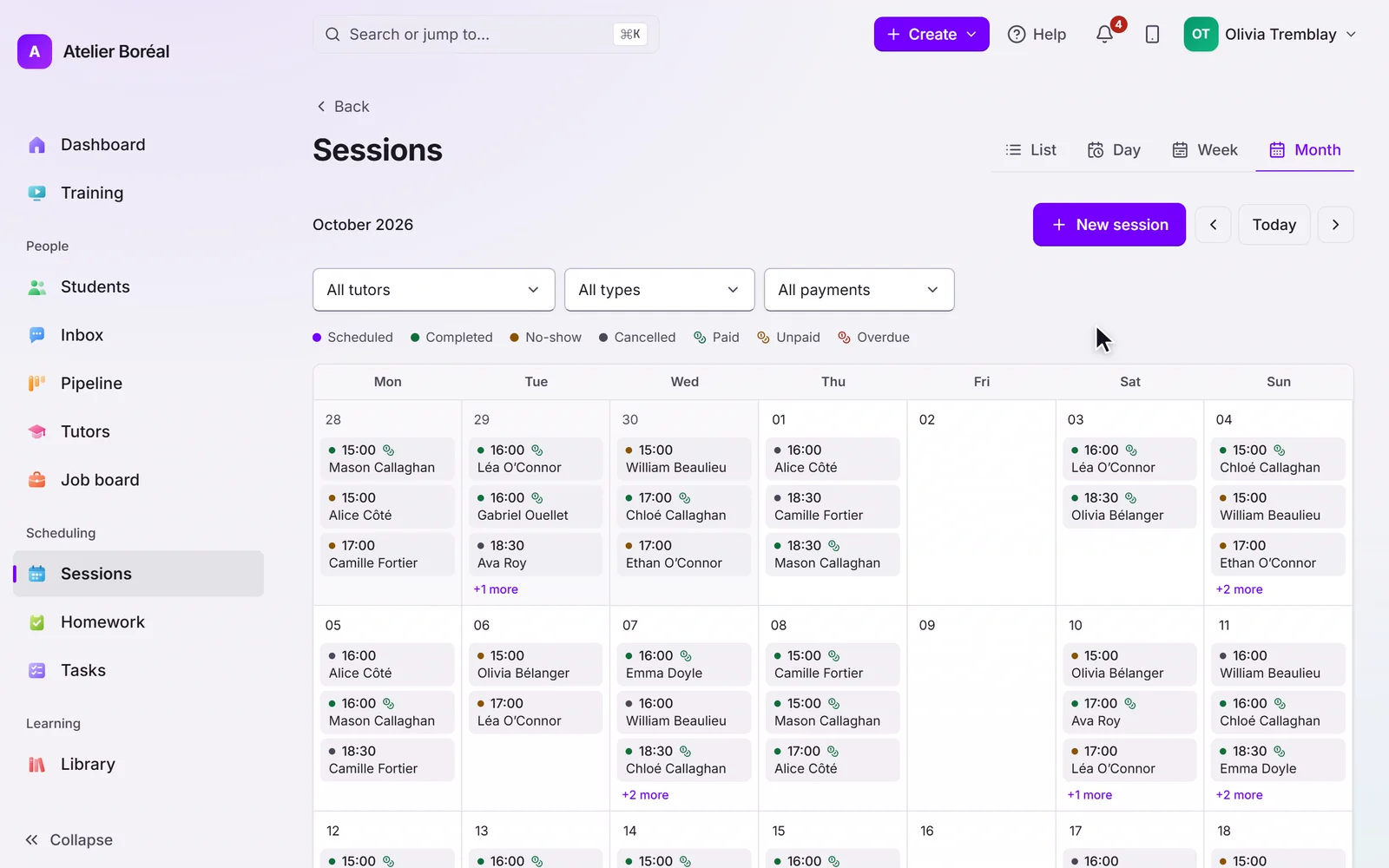
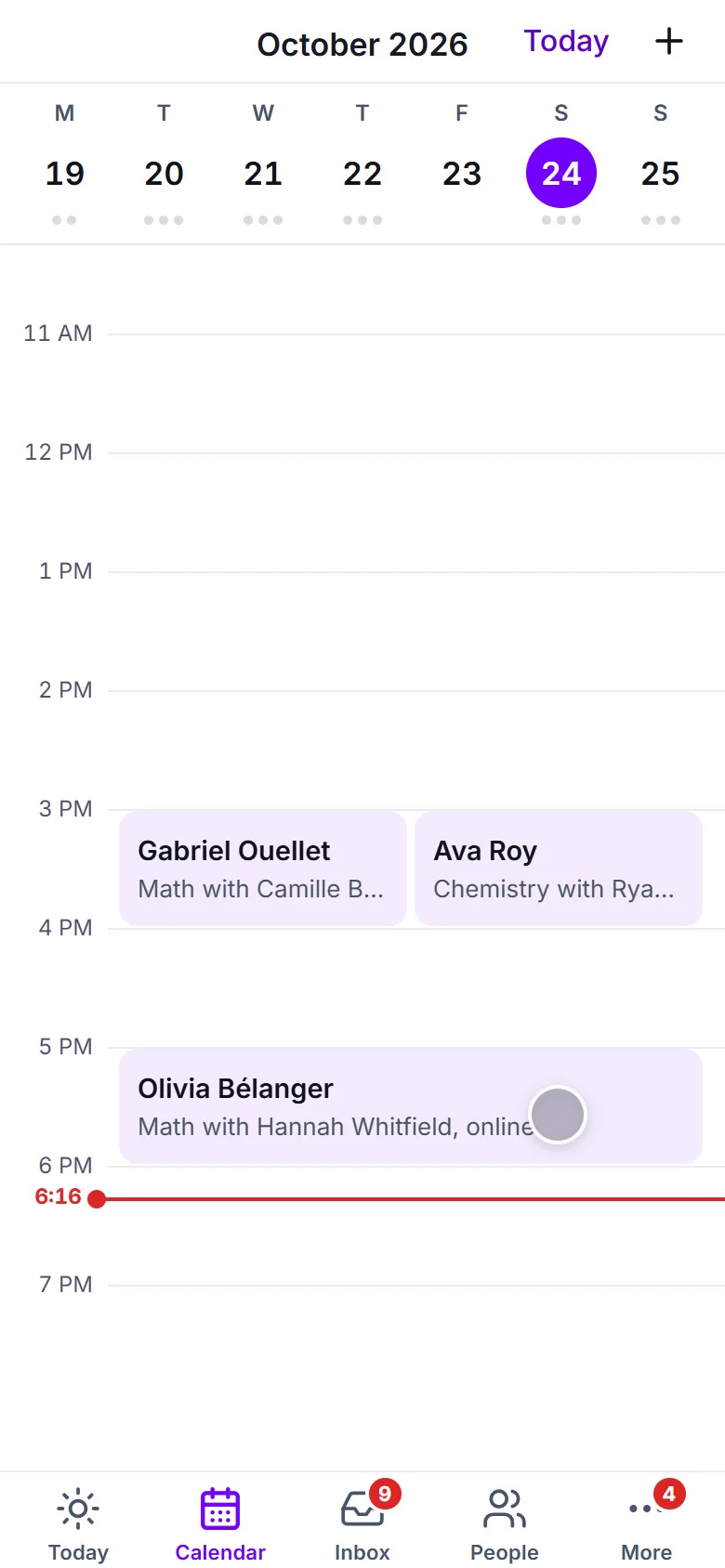
In Pillar OS, billing and packages handles the draw-down automatically and the parent portal shows families their own balance. Pricing and attendance are the same conversation, so why families ghost sessions is worth reading next. Current plans are on the pricing page. For the whole picture, see everything Pillar does for a tutoring centre, from the first booking to the pay run.

Steven Kallini · Founder
Mechanical engineer by trade, hooked on computers since he was a kid, and a principal process engineer for 13 years before Pillar OS. That job was finding where a process quietly leaked time and money, then designing the fix. Pillar OS is the same work, aimed at the admin that eats a tutoring owner’s week.
